
Temporomandibular (TMJ) joint pain - Causes, Symptoms, and Effective Treatment Options
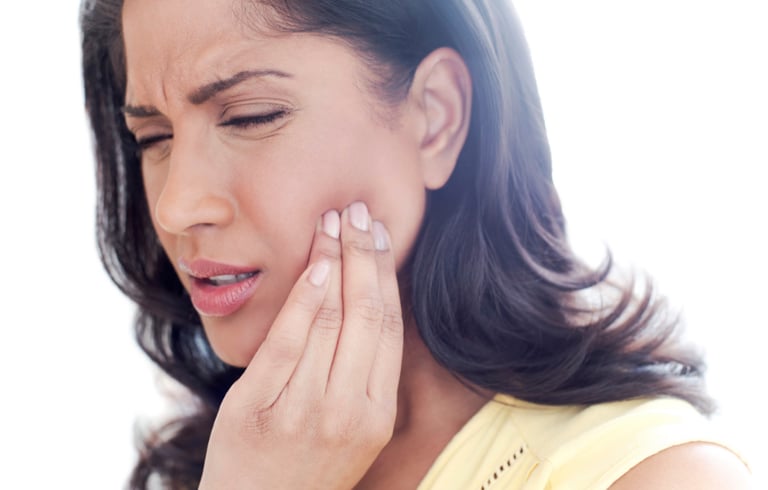
Do you experience jaw pain, headaches, or neck soreness? It could be due to TMJ (temporomandibular joint) issues. In this blog post, we explain what causes TMJ pain, like teeth grinding, stress, and poor posture, and how it can lead to other problems like headaches and neck tension. We also share how physiotherapy can help, including techniques like Active Release Technique (ART), which focuses on releasing tight jaw muscles like the masseter and temporalis.
Ling
5/8/20245 min read
Breaking the Pain Cycle with NOVOLK
TMJ pain isn’t just a localised issue — it often affects the neck, head, and shoulders, creating a cycle of discomfort. Physiotherapy addresses this interconnected system, providing a holistic approach to pain relief and long-term recovery.
If you’re struggling with TMJ pain, headaches, or neck soreness, don’t wait. Contact Novolk today to book your consultation and take the first step toward a pain-free jaw.
Hands-on technique for TMJ Pain Relief
Jaw Adjustments and Stretches:
Targeted jaw adjustments and stretches focus on gently working the jaw muscles to improve their muscle tone, flexibility, and coordination, restoring normal biomechanics and motion.
Thin needles are used to target specific trigger points in the jaw and neck areas, providing immediate relief and muscle relaxation. This technique reduces muscle tension and enhances blood flow, improving jaw mobility and alleviating pain
Massage and Myofascial Release:
These techniques aim to release muscle tightness and improve blood circulation to the affected area. Massage and myofascial release offer both short-term relief and long-term benefits for the overall health and functionality of the jaw.
Joint Mobilisation:
Gentle, hands-on joint mobilisation techniques move the temporomandibular joint in specific directions, relieving pain and improving the joint's range of motion, which is critical for restoring normal jaw function.
· Active Release Technique (ART)
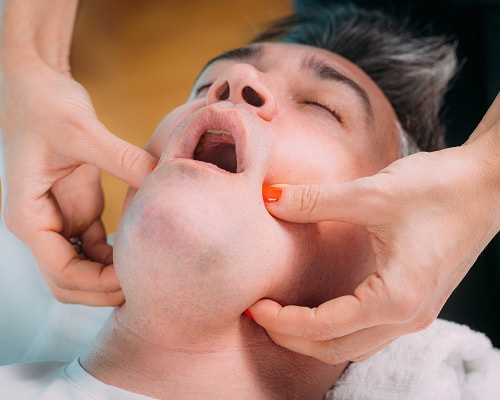
We utilise ART to help manage TMJ pain. ART combines precise, hands-on pressure with guided movements performed by the patient. It is extremely effective in pain relief and improving mobility. ART targets both external as well as intra-oral muscles which includes Masseter, Temporalis, Medial Pterygoid, Lateral Pterygoid, Digastric muscles.
The practitioner will have medical gloves on, and reach inside of the mouth for better release of the deeper muscles like Medial Pterygoid and Lateral Pterygoid. It can be quite tender just like going through deep tissue massage, but you will get amazing results with this type of release.
How Physiotherapy Can Help Manage TMJ Pain
1 . Pain Relief and Improved Mobility
One of the primary benefits of physio for TMJ dysfunction is targeted pain relief and improved mobility. Physios will design customised adjustments and exercises to loosen or strengthen the jaw muscles, enhance their flexibility, and gradually reduce discomfort. Improved jaw mobility is crucial for everyday activities like speaking, eating, and yawning.
2. Empowering Patients through Self-Management
Beyond immediate relief, patients will be equipped with the necessary exercises and strategies to manage their symptoms independently. This collaborative approach empowers individuals to take an active role in their recovery, achieving sustained relief and reducing the risk of recurrence.
The Connection Between TMJ Pain, Headaches, and Neck Soreness
The TMJ doesn’t work in isolation. It’s closely linked to the muscles and nerves of the head and neck.
Muscle Interconnection:
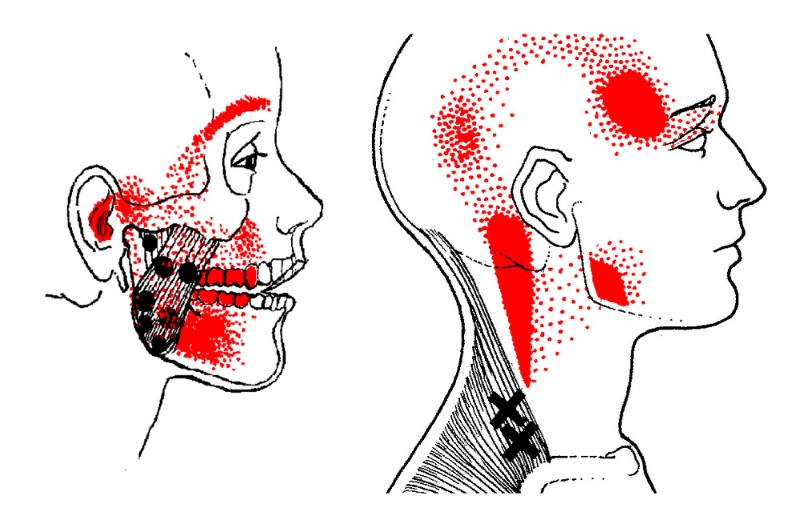
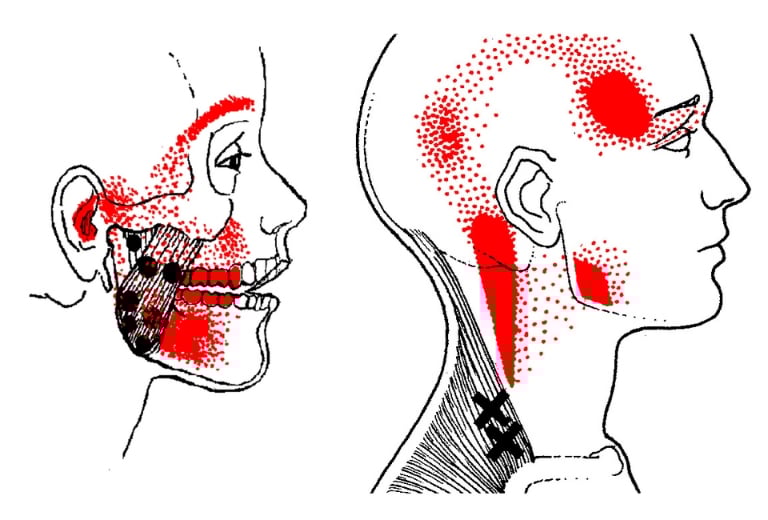
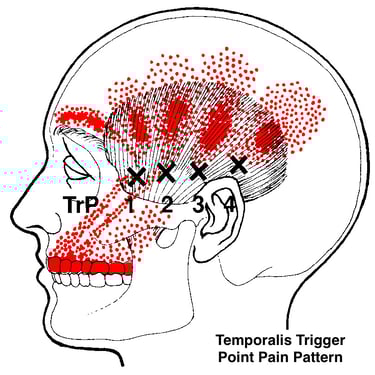
The masseter and temporalis muscles, which control jaw movement, can become tight and cause pain in the temples and forehead.
Neck muscles, such as the sternocleidomastoid and suboccipitals, often compensate for TMJ dysfunction, leading to neck pain and stiffness.
Nerve Pathways:
The trigeminal nerve, which supplies the TMJ, also innervates parts of the face and head, causing referred pain to these areas.
Biomechanics:
Poor jaw alignment can alter head and neck posture, placing stress on the cervical spine and upper shoulders, creating a pain cycle that perpetuates itself
Symptoms of TMJ Pain
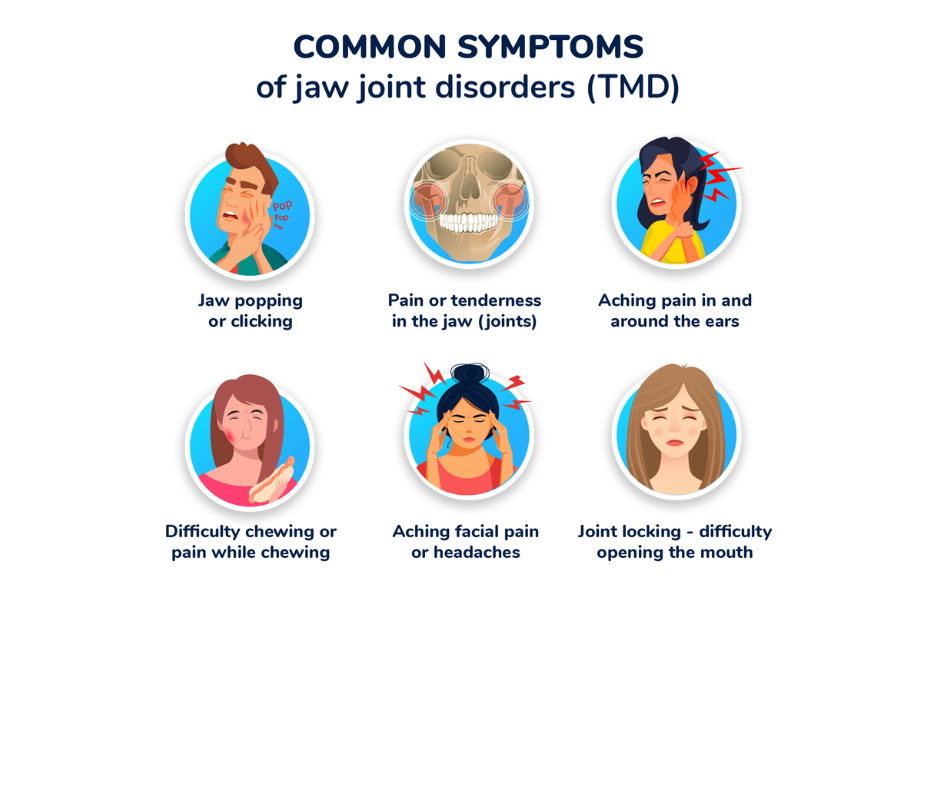
TMJ dysfunction can manifest in various ways, including:
Jaw Pain: A dull ache or sharp pain in the jaw, especially when chewing or opening your mouth wide.
Clicking or Popping Sounds: Noises in the jaw when moving it.
Headaches: Often tension-type headaches that radiate from the jaw to the temples.
Neck Pain and Stiffness: Tightness and soreness in the upper neck muscles.
Ear Pain or Fullness: TMJ issues can sometimes mimic ear infections.
Difficulty Opening or Closing the Mouth: Lockjaw or limited range of motion.
Common Causes of TMJ Pain
TMJ dysfunction can stem from several factors, including:
Jaw Misalignment:
A misaligned bite, where the teeth don’t come together properly, forces the jaw to work harder to perform basic functions like chewing. This added strain can lead to TMJ dysfunction. Conditions such as overbites, underbites, or missing teeth often contribute to malocclusion. Orthodontic treatments or dental corrections may sometimes be necessary to address this issue.
Bruxism (Teeth Grinding):
Bruxism is one of the most common causes of TMJ dysfunction. Grinding or clenching, often during sleep, exerts excessive pressure on the temporomandibular joint and the surrounding muscles. Over time, this leads to joint irritation, muscle fatigue, and pain. Stress and anxiety are common triggers for bruxism, making stress management a critical component of TMJ care.
Injury or Trauma:
Injuries to the jaw, face, or head can directly damage the TMJ, surrounding muscles, or ligaments. This could include a sports-related impact, car accidents, or even accidental falls. In some cases, the trauma can lead to inflammation or long-term dysfunction if not treated promptly.
Stress and Tension:
Stress is a significant indirect cause of TMJ pain. Many people unconsciously clench their jaw or grind their teeth during high-stress situations. This habit, often unnoticed, can overwork the jaw muscles and lead to pain. Chronic stress can also increase tension in the neck and shoulders, further exacerbating TMJ discomfort.
Arthritis:
The TMJ is a joint like any other and is susceptible to conditions such as:
Osteoarthritis: Wear-and-tear damage to the cartilage within the joint.
Rheumatoid Arthritis: An autoimmune condition that causes joint inflammation.
These conditions can degrade the joint’s structure, causing pain, stiffness, and reduced mobility.
Poor Posture:
Postural habits, such as slouching or holding your head forward (commonly seen with prolonged screen use), can strain the muscles and joints of the neck and jaw. The TMJ compensates for these postural imbalances, leading to dysfunction over time. Forward head posture, in particular, can exacerbate muscle tightness in the jaw and neck, intensifying TMJ pain
What is TMJ Pain?
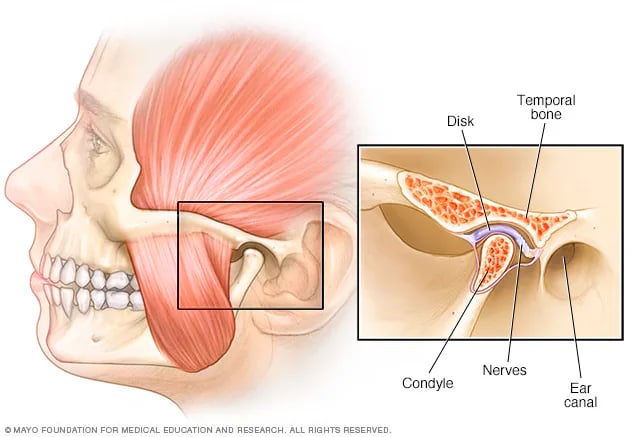
The temporomandibular joint (TMJ) is a small but vital joint connecting your jaw to your skull. It plays a crucial role in everyday activities like speaking, chewing, and yawning.
TMJ pain, also called temporomandibular disorder (TMD), occurs when there’s a problem with the joint or surrounding muscles. These disorders can manifest in various ways, from persistent pain and stiffness to limited mobility and even changes in tooth alignment.
The impact of TMJ dysfunction extends far beyond the physical, often causing stress, frustration, and a significant reduction in quality of life.
What is TMJ Pain?
Pain or discomfort in the jaw joint, often linked to headaches and neck soreness.
Common Causes
Teeth grinding/clenching (bruxism).
Jaw misalignment (malocclusion).
Stress, poor posture, arthritis, or trauma.
Symptoms
Jaw pain, clicking sounds, limited movement, headaches, neck stiffness.
Treatment Options
Physiotherapy techniques, including Active Release Technique (ART).
Targeted muscles: masseter, temporalis, pterygoids, digastric.
Pain relief through massage, joint mobilization, and posture correction.
Self-Management Tips
Relax jaw, eat soft foods, avoid habits like gum chewing.
Use heat/ice packs and practice good posture.
Key Takeaway
Combining professional treatment and self-care can effectively relieve TMJ pain and prevent it from coming back.
© 2024. All rights reserved.


START AGAIN.
7:00 am - 7:00 pm
Monday - Sunday
Temporary closed on Wednesdays
Appointment preferred.
Walk-ins welcome based on availability.
KEPONGGI SQUARE
Ready to start your recovery journey and learn more with us?
HELP
First visit